Body Image, Masculinity, and Internalized Homophobia
Body image pressures among gay men are often rooted in narrow ideals of masculinity and internalized homophobia, shaping how we see ourselves and how we believe we must show up in the world. Healing begins by challenging these inherited beliefs and building a more compassionate, authentic relationship with our bodies.
Body image struggles among gay men rarely come out of nowhere—they’re woven into years of messages about what it means to be attractive, desirable, or even “worthy” in a culture that prizes a very narrow version of masculinity. These pressures often begin long before we ever step foot in a gay bar or download our first app. For many of us, they grow from the roots of internalized homophobia: the quiet, sometimes unconscious belief that we need to compensate for our queerness by being extra masculine, extra fit, or extra appealing in ways the world will validate.
Growing up, many gay men learn that masculinity is armor—something to hide behind for safety or acceptance. When those lessons combine with the adult gay world, where muscled bodies and effortless confidence are often celebrated, it can feel like our worth is measured in abs, jawlines, and how well we perform a certain version of “manliness.” Even if we know these ideals are limiting, we may still find ourselves chasing them: working out beyond what feels healthy, fearing weight gain or aging, judging our appearance with the harshness we once feared from others. These patterns don’t happen because we’re vain—they happen because we learned that survival depended on being “acceptable.”
Internalized homophobia amplifies this by whispering that we’re “not enough” unless we fit the script of desirable masculinity. It turns queer bodies into battlegrounds—between wanting to be seen and fearing being judged, between wanting connection and fearing rejection. Even in loving relationships, many gay men struggle with comparing themselves to their partners, feeling insecure during sex, or believing they must maintain perfection to stay wanted. These insecurities can lead to anxiety, avoidance, or performing confidence rather than truly feeling it.
Healing begins when we understand that body image isn’t just a vanity issue—it’s emotional, relational, and deeply tied to our identities. It means gently noticing the beliefs we absorbed about what a man “should” look like, and asking whether those beliefs ever served us in the first place. It means challenging the idea that our value is conditional or based on a narrow, often impossible ideal. And it means cultivating spaces—within ourselves and our communities—where different bodies, presentations, and forms of masculinity are welcomed and celebrated.
When we unlearn the shame that shaped us, something powerful opens up. We become more attuned to what our bodies actually need rather than what we think they’re supposed to look like. Intimacy becomes less about performance and more about connection. Masculinity becomes something we redefine for ourselves instead of a costume we squeeze into. And our queerness stops feeling like something we need to compensate for—it becomes a source of authenticity, depth, and resilience.
Ultimately, reclaiming body image isn’t about achieving perfect self-love every day. It’s about shifting the relationship we have with our bodies from judgment to compassion, from comparison to acceptance, and from fear to freedom. When we understand how internalized homophobia shaped our standards, we gain the power to rewrite them. That’s where real healing—and real confidence—begins.
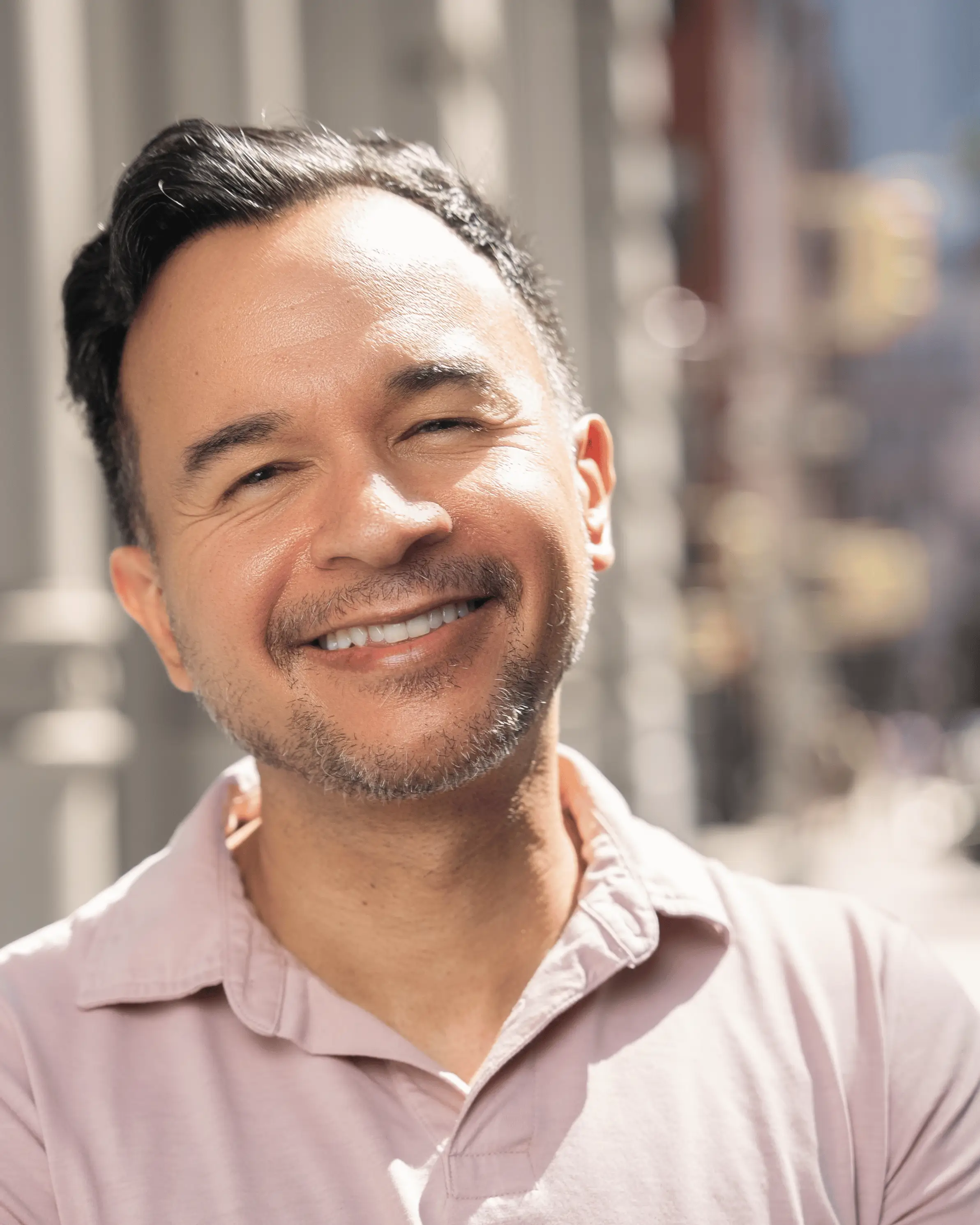
Dr. Israel Martinez
Dr. Israel Martinez is a gay men's therapist and AASECT Certified Sex Therapist with 20 years of experience in LGBTQ+ therapy, internalized homophobia, and sexual intimacy.