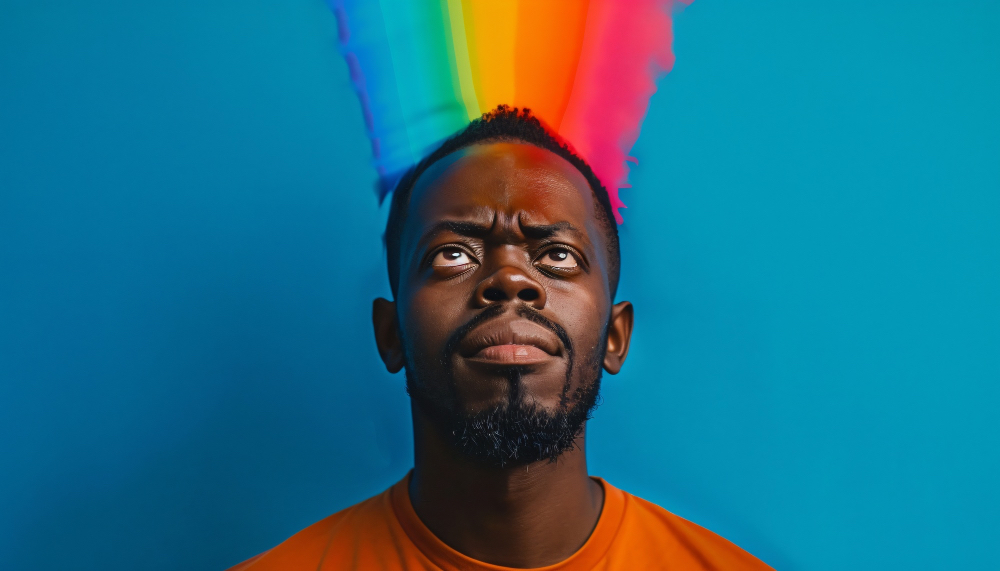
Depression in Gay Men Doesn’t Always Look Like Sadness
Depression in gay men doesn’t always show up as sadness—it often appears as emotional numbness, irritability, burnout, or relentless self-criticism, especially in men who seem high functioning. Understanding these less visible symptoms can help gay men recognize depression earlier and seek support before it becomes more isolating or overwhelming.

When people think of depression, they often imagine someone who is visibly sad, withdrawn, or unable to get out of bed. But depression in gay men doesn’t always look like sadness. In fact, many gay men experiencing depression appear successful, productive, and socially engaged—while quietly struggling underneath.
Understanding the symptoms of depression in gay men, especially high functioning depression, is essential. Without this awareness, depression often goes unrecognized, untreated, and deeply internalized as a personal failure rather than a mental health condition shaped by real social pressures.
Why Depression Can Look Different in Gay Men
Gay men grow up navigating a world that often sends conflicting or harmful messages about identity, masculinity, desirability, and belonging. Even in accepting environments, many gay men have already adapted by becoming hyper-aware, self-sufficient, or emotionally guarded.
These adaptations can mask depression.
Rather than expressing sadness outwardly, depression in gay men often shows up as emotional exhaustion, numbness, irritability, or chronic self-criticism. Because many gay men learn early how to “function through discomfort,” depression can become invisible—both to others and to themselves.
Common Depression in Gay Men Symptoms
Depression doesn’t have a single presentation. Below are some of the most common depression symptoms in gay men, many of which are frequently overlooked.
1. Emotional Numbness or Disconnection
Instead of sadness, many gay men report feeling flat, empty, or emotionally disconnected. Joy feels muted. Relationships may feel distant, even when closeness is desired.
2. Irritability or Restlessness
Depression can show up as frustration, impatience, or anger—especially in men who were never encouraged to express vulnerability. Small things may feel overwhelming or intolerable.
3. Chronic Self-Criticism and Shame
Internalized messages about worth, masculinity, or “not being enough” can fuel depressive thinking. This often appears as relentless self-judgment rather than hopelessness.
4. Overworking or Staying Constantly Busy
Many gay men cope with depression by staying productive. Work, fitness, social plans, or achievement become ways to avoid slowing down long enough to feel what’s underneath.
5. Sleep and Energy Changes
Difficulty sleeping, waking up exhausted, or relying on routines to push through the day are common depression symptoms that are often normalized or dismissed.
6. Disconnection from Desire or Meaning
A loss of motivation, creativity, or sense of purpose can be a key indicator of depression—even when life “looks good” on the outside.
High Functioning Depression in Gay Men
High functioning depression in gay men is particularly easy to miss. From the outside, everything appears fine. Internally, it can feel like running on empty.
Gay men with high functioning depression often:
- Maintain careers and relationships
- Appear confident or successful
- Show up for others consistently
- Minimize their own emotional needs
Because they’re still functioning, they may tell themselves:
“I shouldn’t feel this way.”
“Others have it worse.”
“I’m just tired or stressed.”
Over time, this disconnect can deepen depression and reinforce isolation.
The Role of Minority Stress
One reason depression presents differently in gay men is minority stress—the cumulative emotional strain of navigating stigma, discrimination, invisibility, or pressure to perform acceptance.
This stress doesn’t disappear after coming out. It often lingers as:
- Hypervigilance in social settings
- Fear of rejection or abandonment
- Pressure to be “successful” or “together”
- Difficulty trusting safety or acceptance
Depression, in this context, is not a personal weakness. It’s often a logical response to long-term emotional strain.
Why Depression in Gay Men Often Goes Untreated
Many gay men delay seeking help because:
- They don’t recognize their symptoms as depression
- They fear being seen as weak or “too much”
- They’ve learned to be self-reliant
- They assume therapy is only for crisis-level distress
High functioning depression especially reinforces the idea that help isn’t necessary—until burnout, disconnection, or emotional collapse occurs.
When to Consider Support
You don’t need to wait until things fall apart to seek help. Therapy can be useful if you:
- Feel emotionally flat or disconnected
- Are constantly “pushing through” life
- Struggle with self-criticism or shame
- Feel successful but unfulfilled
- Suspect something is wrong but can’t name it
Working with a therapist who understands depression in gay men can help you identify patterns, reduce internalized shame, and reconnect with emotional vitality.
Depression Doesn’t Have to Look Like Sadness to Be Real
If you’re a gay man wondering whether what you’re experiencing “counts” as depression, it’s worth paying attention. Depression in gay men often hides behind functionality, humor, productivity, or emotional distance.
Naming it doesn’t make it worse—it creates the possibility for relief.
With the right support, depression doesn’t have to remain a quiet, private burden. It can become something understood, addressed, and transformed.

Dr. Israel Martinez
Dr. Israel Martinez is a gay men's therapist and AASECT Certified Sex Therapist with 20 years of experience in LGBTQ+ therapy, internalized homophobia, and sexual intimacy.