What Nobody Tells Gay Men About Getting Older
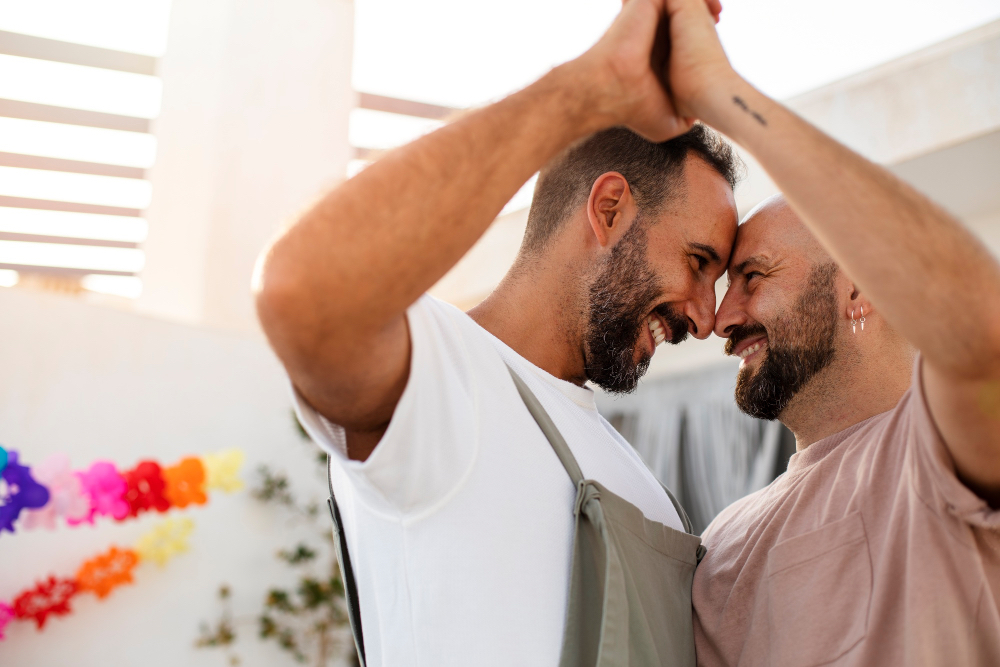
Aging as a gay man comes with a particular kind of pressure that rarely gets named, along with gains that often go unspoken. Here's an honest look at both.
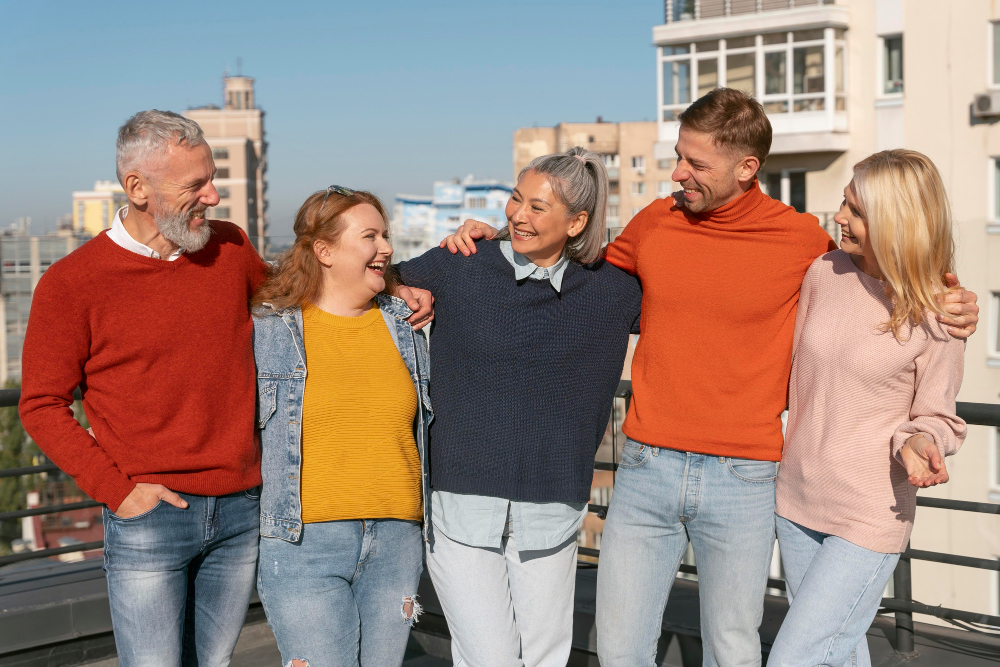
There's a particular kind of dread that shows up for a lot of gay men as they move through their 30s, 40s, and beyond. It isn't exactly the same as the general anxiety most people feel about aging. It's something more specific. It is a sense that in a culture obsessed with youth and physical perfection, getting older as a gay man carries an extra weight that's hard to name and harder to talk about.
Most conversations about aging focus on the universal stuff: slowing down, health concerns, the passage of time. What doesn't get talked about nearly enough is what aging looks and feels like specifically for gay men. The parts that are genuinely complicated. And also, honestly, the parts that are surprisingly good.
The Youth Problem in Gay Culture
Let's name it directly, because dancing around it doesn't help anyone.
Gay male culture has a complicated relationship with youth. The aesthetics of gay spaces, apps, nightlife, media, porn, tend to center younger bodies and treat age as something that diminishes desirability rather than adds to it. The message, often unspoken but consistently present, is that your value in gay spaces is tied significantly to how young you look and how closely your body matches a fairly narrow ideal.
For gay men in their 20s, this is mostly invisible, like not noticing the water you're swimming in. For gay men moving into their 30s and 40s, it starts to become visible in ways that can feel genuinely disorienting. The apps that once felt affirming start to feel different. The spaces that once felt like home start to feel like they're for someone slightly younger than you.
That experience is real, and it deserves acknowledgment rather than dismissal. The pressure is cultural, not personal. But that doesn't make it easier to navigate when you're in it.
The Identity Shift Nobody Prepares You For
For many gay men, a significant part of their identity, their sense of who they are in the world and in their community, got built in their 20s, often after coming out. Gay spaces, gay friendships, gay culture became central to how they understood themselves. The social life, the nightlife, the aesthetics, the rituals were not just fun. They were identity.
As that version of life naturally shifts with age, it can feel like losing something more significant than just a lifestyle. It can feel like losing a self.
This is something straight people experience too, the loss of a younger identity, but it often hits gay men differently because that gay identity was hard won. You worked to build it. You came out for it. Letting it evolve, or grieving the version of it that belonged to your 20s, can feel complicated in ways that surprise people.
What's worth knowing is that as uncomfortable as this transition is, it almost always opens into something better. A relationship with identity that is less dependent on external validation, less organized around how you look or who finds you attractive, more rooted in who you actually are. That's not a consolation prize. It's genuinely valuable.
The Things That Get Better
Aging as a gay man isn't only loss. There are real gains that don't get talked about enough, partly because gay culture doesn't have great language for them yet.
- Confidence that comes from somewhere real. A lot of gay men in their 40s and 50s describe a settling into themselves that they didn't have in younger years. The grinding need for external approval, from the community, from sexual partners, and from the culture at large, tends to loosen. There's more room for knowing what you actually think and want, rather than calibrating constantly to what will be received well.
- Relationships that go deeper. The friendships and partnerships that survive into midlife tend to be the ones with real substance. The surface level connections, built on proximity, shared nightlife, the social glue of younger years, tend to fall away, leaving something smaller but more meaningful. Many gay men describe their social world at 45 as much smaller than it was at 25, and significantly better.
- Sex that's actually about pleasure. This one surprises people, but it comes up a lot. Younger gay men often have sex that's organized significantly around performance: how they look, what they're doing right, whether they're measuring up. Older gay men, especially those who have done some version of their own work, often describe sex that's genuinely more pleasurable, less watched, more felt, less about proving something and more about actually experiencing it.
- A clearer sense of what matters. Time has a way of clarifying values. Many gay men in midlife and beyond describe a sharpening sense of what they actually care about, what relationships, activities, and ways of spending time feel genuinely meaningful, versus what they were doing out of habit or social pressure.
The Grief That Goes Unnamed
Here is something that doesn't get enough space: aging as a gay man often involves grief that doesn't have clear social permission.
Grieving the loss of a younger body in a culture that treated that body as currency. Grieving the version of yourself that felt most at home in spaces you no longer quite fit. Grieving friends lost to HIV/AIDS, a particular and profound loss that shaped an entire generation of gay men and whose weight is still being carried by many. Grieving relationships that didn't survive the years, or a version of your future that looked different from what arrived.
This grief is real. It doesn't require a crisis to be valid. And it often goes unmourned because there isn't always a clear container for it: no ritual, no acknowledged loss, no culturally sanctioned way to say "this mattered and I miss it."
Naming it, even quietly, even just to yourself, is more useful than pushing it aside.
On Chosen Family and Belonging
One of the things that aging reveals most clearly is the importance of community and chosen family, and for gay men, this often looks different than it does for straight peers.
Many gay men have complicated or estranged relationships with their families of origin. The chosen family built in early adulthood can become the primary source of belonging. Tending those relationships as everyone ages, navigating the losses that come with time, and finding new community when old ones disperse is quiet but significant work.
Gay men who age well tend to be gay men who have invested consistently in connection, not waiting for it to arrive, but actively building and maintaining it across the years.
Getting Older Is Not the Problem
The discomfort of aging as a gay man often isn't really about age. It's about a culture that has communicated, repeatedly, that your value is tied to youth and physical desirability, and the work of disentangling your sense of worth from that message.
That disentanglement is possible. Gay men who have done it, who have built a relationship with themselves that isn't organized around how they're perceived in gay spaces, tend to find that the later chapters of life have a depth and settledness that the earlier ones, for all their energy and excitement, didn't.
Getting older isn't the end of something. It's a different kind of beginning.
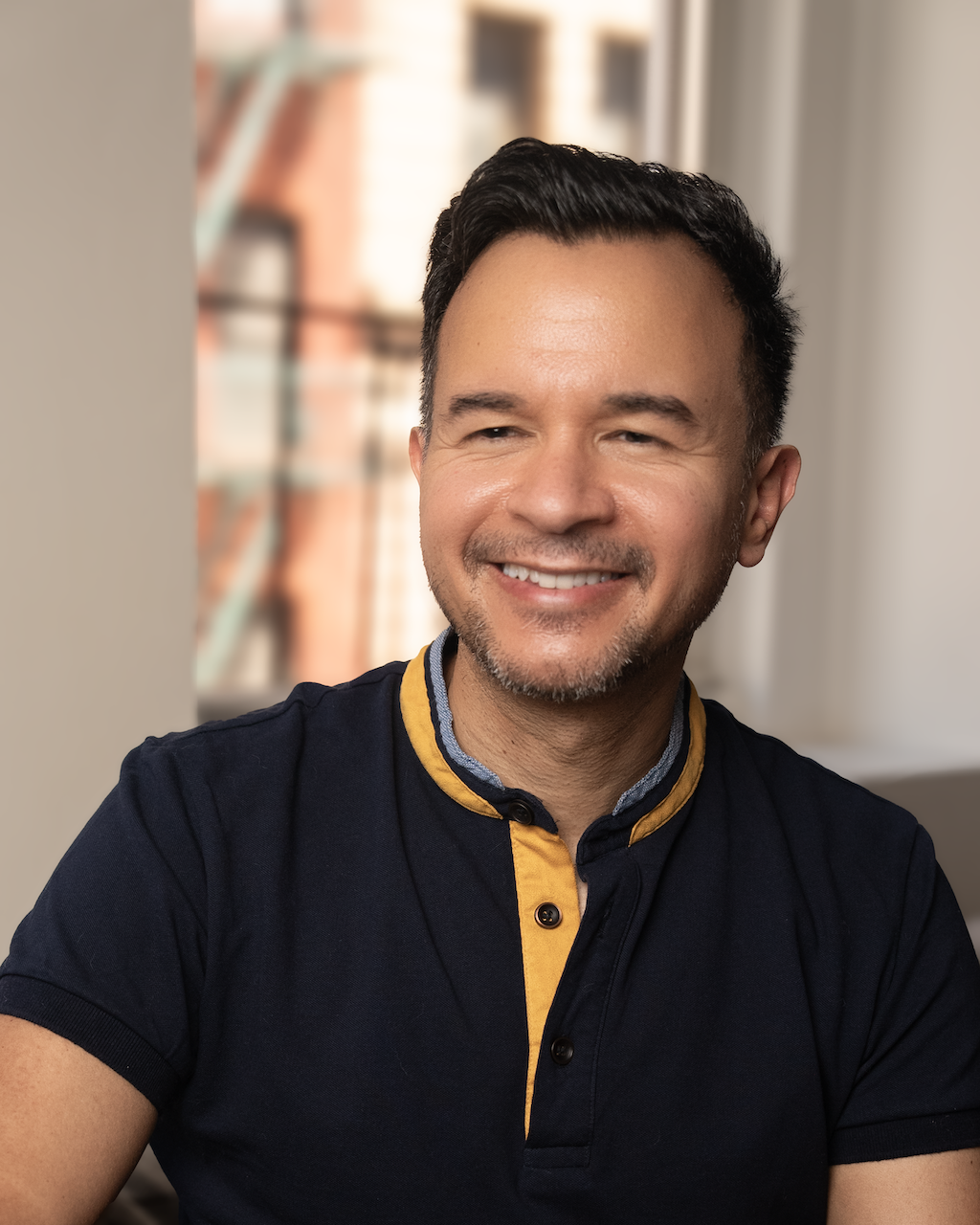
Dr. Israel Martinez
Dr. Israel Martinez is a gay men's therapist and AASECT Certified Sex Therapist with 20 years of experience in LGBTQ+ therapy, internalized homophobia, and sexual intimacy.