Top, Bottom, Versatile: How Sexual Roles Affect Gay Men's Self-Esteem
Top, bottom, versatile: these labels carry more weight than they should, and for many gay men, that weight quietly shapes self-esteem. Here's how to untangle sexual role from self-worth.
If you've spent any time in gay spaces, online or in person, you already know that sexual roles carry a lot of weight. More weight, honestly, than they probably should.
What starts as a simple description of sexual preference gets layered with meaning pretty quickly. Assumptions about personality. Judgments about masculinity. Hierarchies about who's more desirable, more powerful, more "enough." And underneath all of that, for a lot of gay men, a quiet but persistent effect on how they feel about themselves.
Sexual roles and gay men's self-esteem are more connected than most people openly acknowledge.
How Did We Get Here?
Sexual roles in gay male culture didn't emerge in a vacuum. They developed in a context that was already deeply shaped by heterosexual norms, specifically the idea that sex involves one person who penetrates and one person who receives, and that those roles map onto something meaningful about identity, power, and masculinity.
Gay men inherited that framework without necessarily choosing it. Gay culture then added its own layers: its own hierarchies, its own aesthetic associations, its own shorthand on dating apps and in social spaces, until what started as a simple description of preference became something that felt a lot more loaded than that.
The result is a set of unspoken rules that a lot of gay men absorb without fully realizing it. Rules about what different roles say about you. Rules about which roles are more desirable. Rules about what it means if your preference changes, or if you don't have a strong preference at all.
The Self-Esteem Wounds That Can Come With Each Role
For men who identify as bottoms
The stigma around bottoming in gay male culture is real, even if it's rarely talked about directly. Bottoms are sometimes stereotyped as passive, feminine, or less masculine, which society naively deems as less worthy. On dating apps, "bottom" is sometimes used as a synonym for high-maintenance or needy. In certain gay spaces, bottoming is joked about in ways that carry a barely concealed contempt.
For gay men who prefer to bottom, absorbing those messages over time can do quiet damage. It can create shame around a preference that is completely natural. It can make it hard to own that preference openly or communicate it to partners without embarrassment. And it can contribute to a broader sense of being "less than" within the community, which, for men who already grew up feeling like outsiders, hits a particular nerve.
For men who identify as tops
The self-esteem wounds here are less obvious but still real. Tops are often expected to perform, which means being consistently ready, consistently confident, consistently in control. When that performance doesn't happen, when arousal is difficult, when erections are inconsistent, when desire is complicated, it can feel like a fundamental failure of masculinity rather than just a normal human experience.
The pressure to perform as a top is one of the most common things that comes up in sex therapy for gay men. It's often wrapped in a layer of shame that makes it hard to bring to a partner, because admitting difficulty can feel like admitting you're not really what your role says you are.
For versatile men
You'd think that flexibility would be freeing, and often it is. But versatile gay men sometimes describe a different kind of discomfort: the feeling of not quite fitting anywhere. Of not being claimed by either community. Of partners who want a clear answer and feel uncertain when one isn't offered. Versatility can be experienced as a strength, but it can also quietly become its own source of self-doubt, a sense of not having a fixed identity in a space where identity feels like it should be legible.
When Roles Become Rigid
One of the most limiting things that can happen around sexual roles is when they stop being descriptions of preference and start feeling like fixed identity categories that can't be questioned or changed.
Sexual preferences aren't always static. What a gay man wants in his 20s isn't necessarily what he wants in his 40s. What feels right in one relationship may feel different in another. The body changes, desire changes, context changes.
When roles feel locked in, when changing or exploring feels like a threat to identity rather than a natural evolution, it's often worth getting curious about what's underneath that. Sometimes it's genuine preference. Sometimes it's shame. Sometimes it's fear about what a change in role would mean about who you are.
What This Has to Do With Self-Esteem
At the core of all of this is a question that goes well beyond sexual roles: Am I enough?
For gay men who grew up feeling like their identity was something to be managed or hidden, that question often got attached to performance, including sexual performance. If I do this right, if I fit the right role, if I'm desirable enough in the way I'm supposed to be desirable, then maybe I'm okay.
Sexual roles become one more arena where that performance plays out. The self-esteem effects, the shame around bottoming, the pressure on tops to perform, the uncertainty of versatility, are downstream of something deeper. A sense that belonging and worth have to be earned, including in bed.
Untangling that is genuinely possible. It just requires being willing to look at it directly, which, in a culture that treats sexual roles as fixed, obvious, and not worth examining, takes a certain kind of courage.
You Get to Decide What Your Sexuality Means
Your sexual preferences, whatever they are, don't say anything definitive about your masculinity, your worth, or your place in the community. They're just part of the landscape of who you are as a sexual person. A landscape that's allowed to be complex, to shift, and to be yours on your own terms.
If you've noticed that your sexual role, or the assumptions attached to it, is affecting how you feel about yourself, that's worth paying attention to. Let curiosity about your actual current preferences help you better understand them and carry them with a lot less shame.
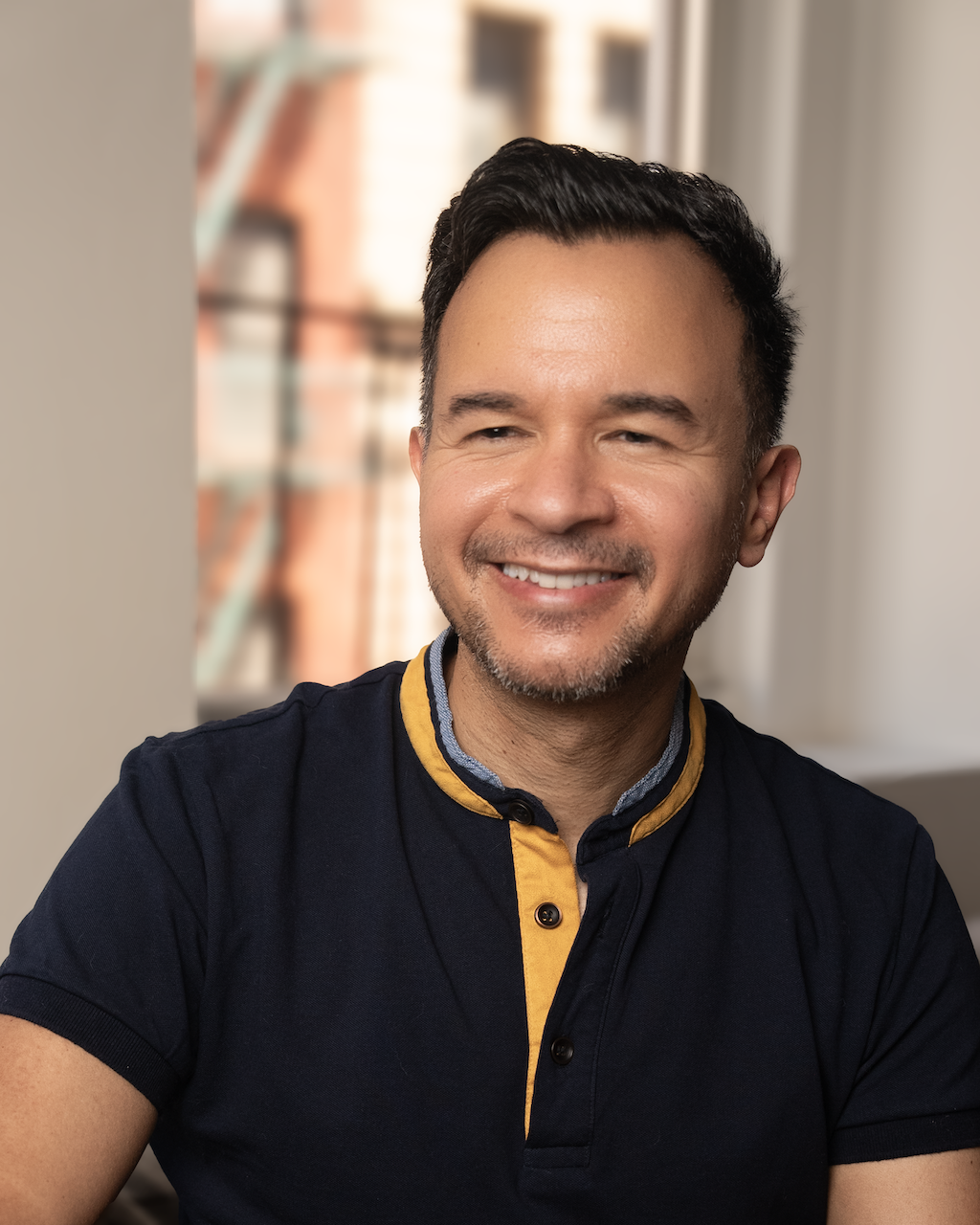
Dr. Israel Martinez
Dr. Israel Martinez is a gay men's therapist and AASECT Certified Sex Therapist with 20 years of experience in LGBTQ+ therapy, internalized homophobia, and sexual intimacy.